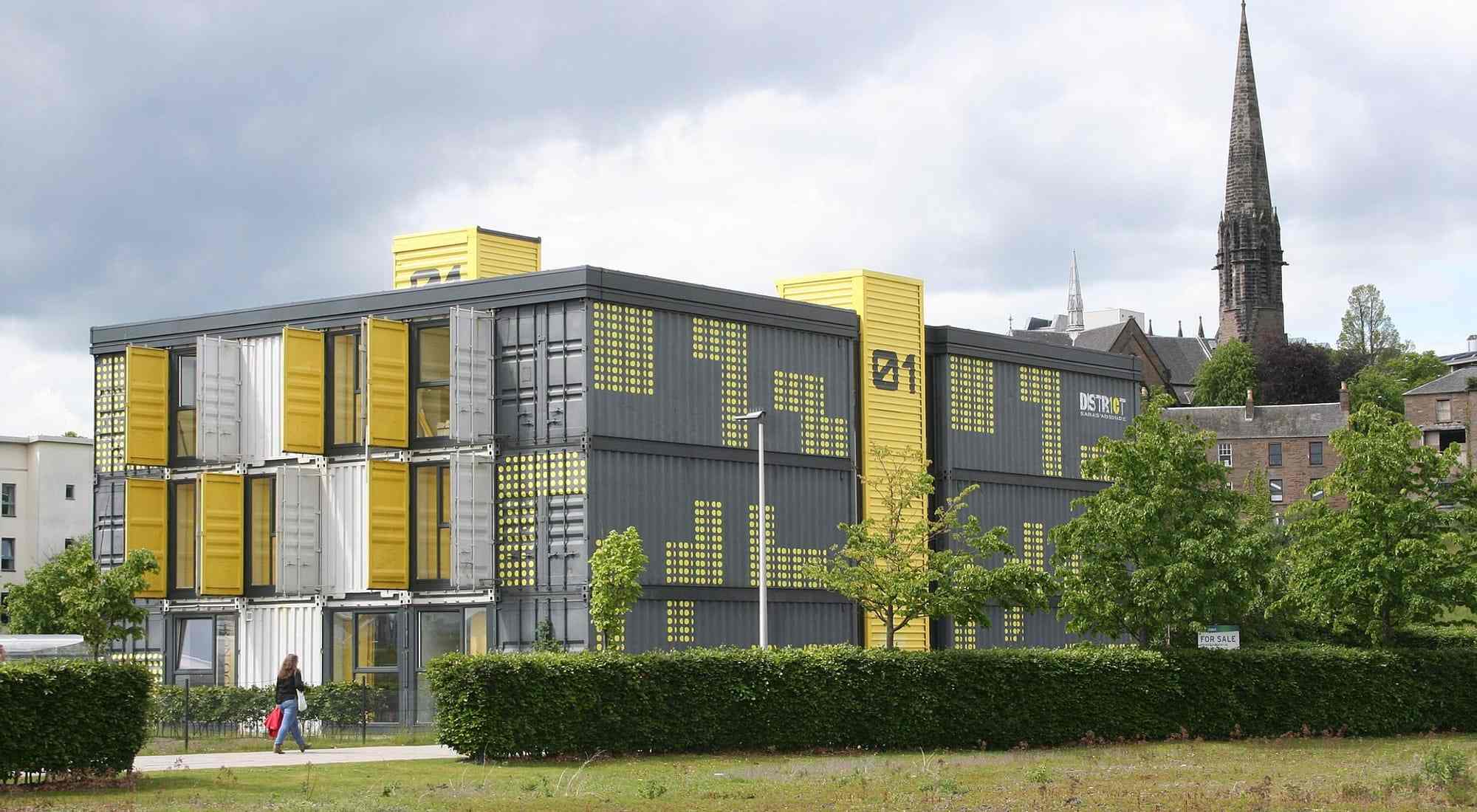
Volumetric modular buildings · three UK plants
The building is finished before it reaches the site.
Classrooms, clinics, offices, welfare and student accommodation, built on a production line and craned into place in days. Weather stops being a programme risk.
A typical classroom block
- On site, traditional
- 38 weeks
- On site, Thornedge
- 5 weeks
- Factory, in parallel
- 14 weeks
The saving is not that we build faster. It is that the building and the groundworks happen at the same time, indoors and out.
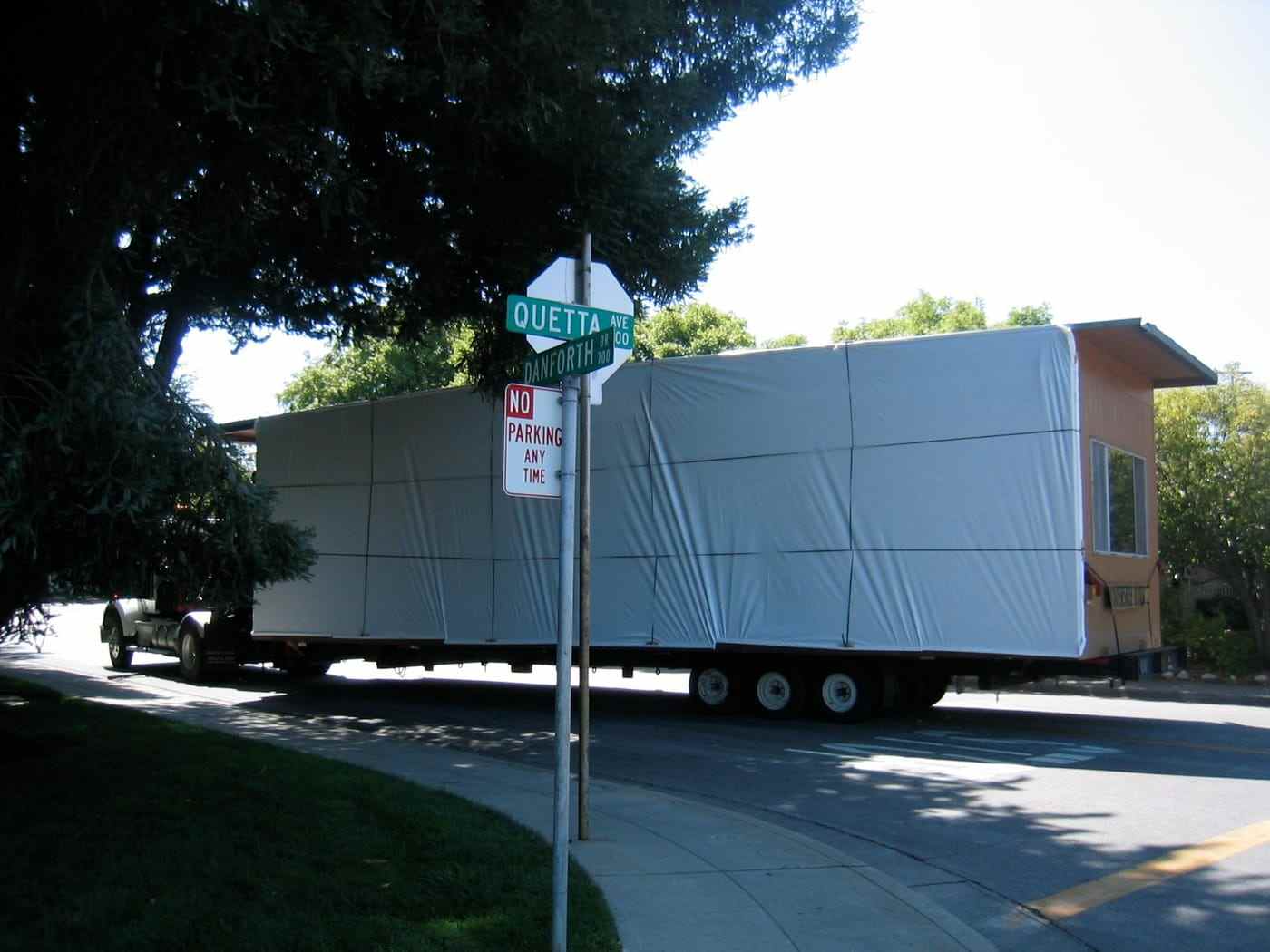 Week 15
Leaves the plant, wrapped and glazed
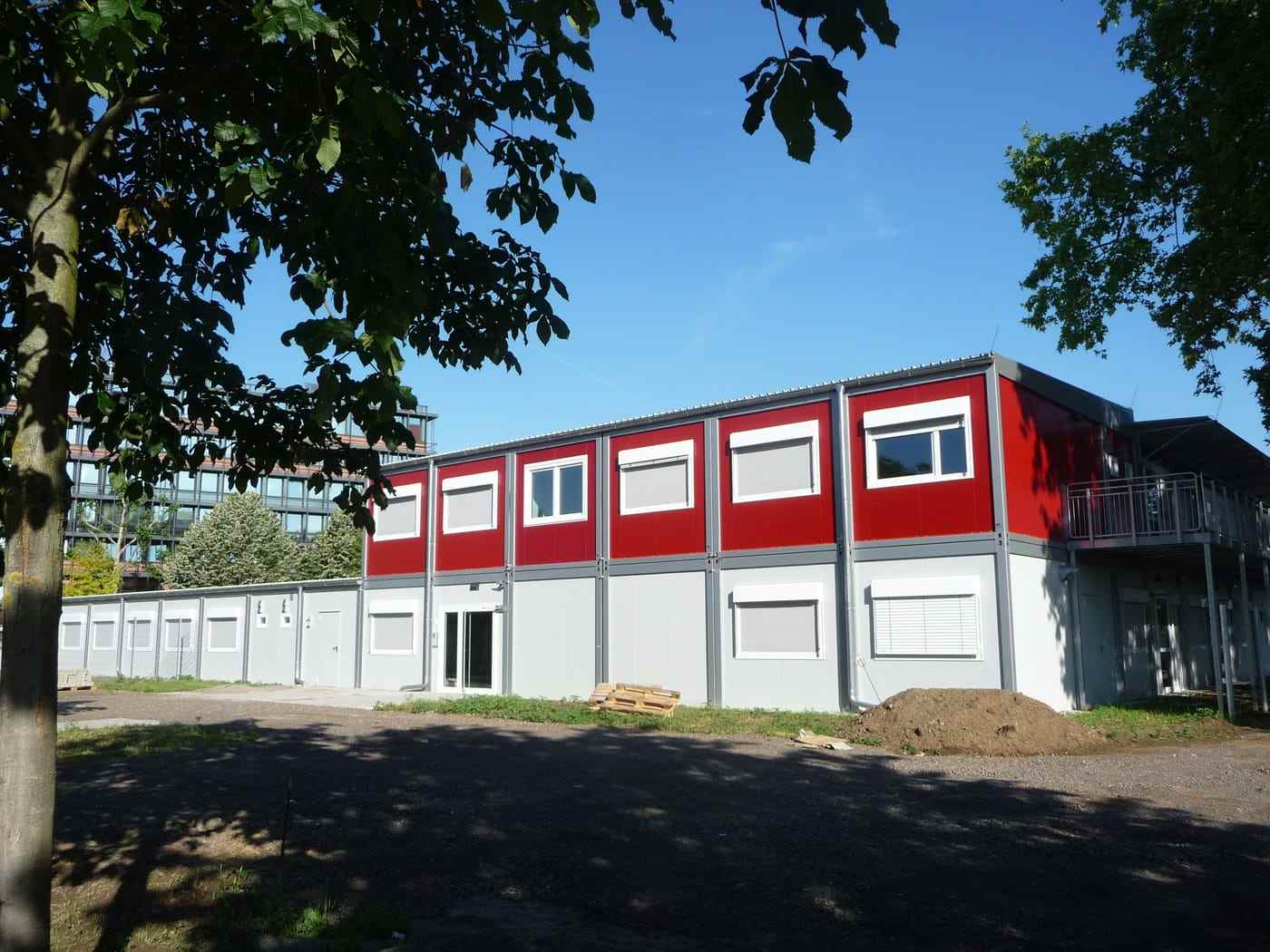 Week 17
Craned, stitched and weathertight
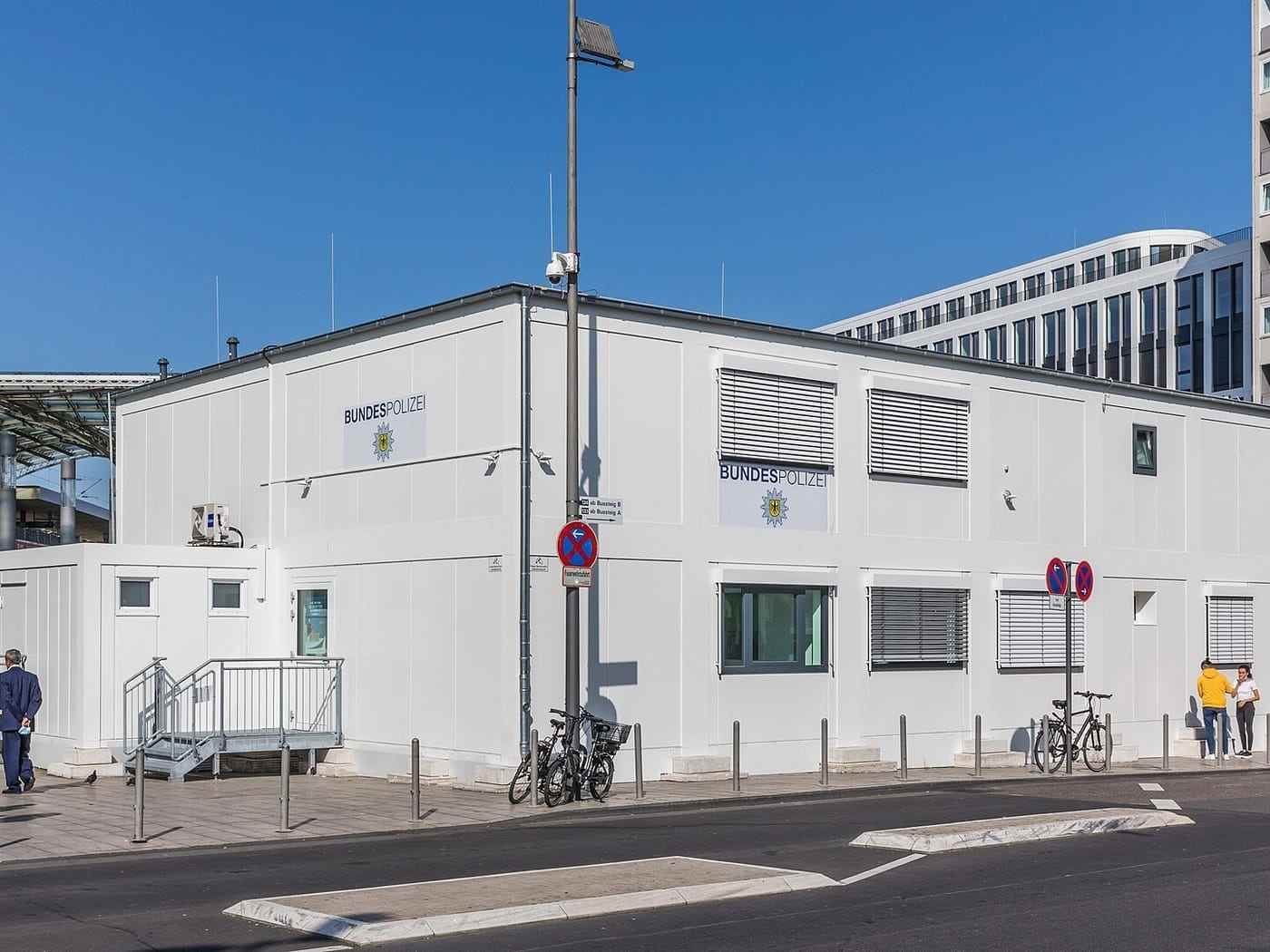 Week 19
Handed over and in use
The range
Six building types, or something of your own
Full catalogue- TM-CL
Classroom block
Two to sixteen teaching spaces, with circulation and WCs, ready for a September handover.
180–1,400 m²14–20 weeks£1,950 / m² - TM-HC
Healthcare unit
Consulting rooms, treatment spaces and diagnostics, built to HTM and HBN.
300–2,200 m²18–26 weeks£2,850 / m² - TM-OF
Office pavilion
Open-plan and cellular office space, single or two storey, with a permanent finish.
120–900 m²12–18 weeks£1,750 / m² - TM-WF
Welfare and changing
Changing rooms, showers, drying rooms and mess facilities for industrial and sports sites.
80–400 m²10–14 weeks£2,100 / m² - TM-SA
Student accommodation
Cluster flats and studios, three to six storeys, for a fixed September handover.
1,200–9,000 m²30–44 weeks£2,300 / m² - TM-BE
Bespoke buildings
Anything that fits on a lorry, engineered from your architect’s drawings.
By designFrom 16 weeksQuoted
How it works
Six stages, and the one that saves the time
In detailFeasibility and transport study
Before anything is priced we check the module geometry against the route, the site access and the crane position. It is where bespoke projects succeed or quietly fail.
Design freeze
Manufacture cannot start until the design is fixed, so we bring the freeze forward and make it explicit. Everything after this point is a change, priced as one.
Foundations in parallel
Groundworks run on site while modules are built in the factory. This is where the programme saving actually comes from, not from building faster.
Manufacture and factory test
Modules are built, fitted out, and services tested indoors, on a line, under cover. Weather stops being a programme risk.
Delivery and craneage
Modules arrive on booked slots and are craned into position, typically twelve to eighteen a day. This is the part clients come to watch.
Stitch, connect and hand over
Inter-module junctions are sealed, services reconnected and re-tested, external envelope completed, and the O&M pack handed over with the keys.
Case studies
Buildings we have handed over
All case studiesSixteen teaching spaces, handed over on the last Friday of the holidays
A two-storey block replacing four failing temporary units, with the entire on-site programme inside a five-week summer holiday.
1,240 m²Gross internal area5 weeksOn site, start to handover16Teaching spacesA diagnostic centre commissioned in the factory and re-tested on site
Twelve modules forming a community diagnostic centre, with HTM commissioning largely complete before the building left the plant.
860 m²Gross internal area22 weeksContract to handover12Modules
Locations
Three plants, 1,440 modules a year
Visit a plantScunthorpe
Scunthorpe, North Lincolnshire
- Capacity
- 640 modules a year
- Specialism
- Healthcare and education
- People
- 210
Wigan
Wigan, Greater Manchester
- Capacity
- 480 modules a year
- Specialism
- Student accommodation and residential
- People
- 145
Newport
Newport, South Wales
- Capacity
- 320 modules a year
- Specialism
- Offices, welfare and bespoke
- People
- 96
Tell us the date you need the building open
That is the constraint everything else is designed around. Send a brief, a site plan, or just the date, and we will tell you whether modular is the right answer.